
Last week’s story about Edmonton’s coyotes brought us back to the deer that helped launch Taproot.
In their reporting on fall coyote sightings, Colin Gallant also found out what happened to the small herd of deer that used to call the Edmonton Ethane Extraction Plant in south Edmonton home. Fish and Wildlife Enforcement Services relocated four deer to the Bruderheim Provincial Recreation Area between 2022 and 2023. The deer were in poor health, and increased interest from coyotes posed a danger to workers in the area, a provincial spokesperson told Taproot. A fifth deer was later found dead, and the fate of the sixth is unknown.
That herd was the subject of Taproot’s very first story, published on Sept. 8, 2016. A decade ago, we explored how the deer came to live there. This month, we shared why they left.
I thought I’d take this opportunity to look back at how that first story came together, and what it means to keep paying attention to a community for a decade.
A question from the Story Garden
When Karen and I launched Taproot, we invited members to plant their curiosity in our Story Garden. They could share questions about local issues and vote on questions from other members. In a way, members were our assignment editors.
Right away, a question about the deer from member Susie Sykes, co-founder of Timber Benefits, was among the most popular. How had a herd come to live on a patch of land surrounded by busy roads, industrial buildings, and South Edmonton Common?
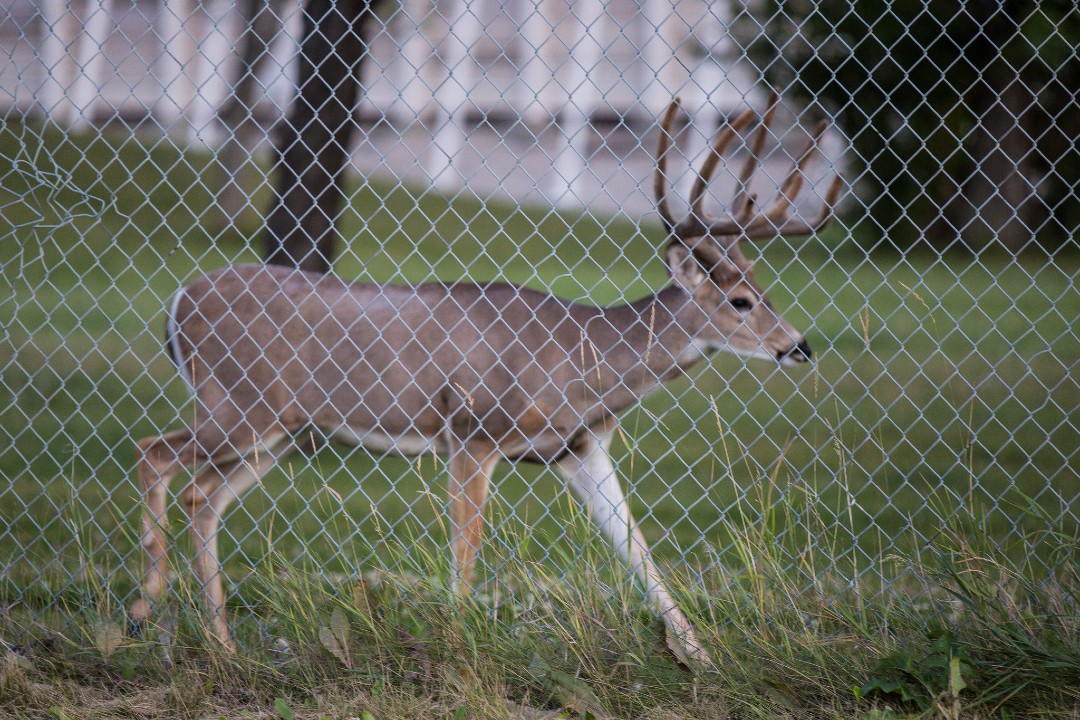
It felt like a question we could answer, so we commissioned freelancer Mel Priestley to explore it. I remember driving down to the area to look for the deer, and being so thrilled when I could see them well enough through the fence to photograph them. I also remember a visit to the provincial Aerial Photos Library to find historical images and maps of the area. The aerial views helped show how much the surroundings had changed as Edmonton grew around this little refuge.
For the story, Mel spoke with EEEP employees, wildlife researchers, and a nearby veterinarian. Her reporting explained what made the site attractive to deer and how they likely moved between it and nearby ravines.
It was a wonderful first story for Taproot. A member had noticed something interesting about the city, other members wanted to know more, and we could put a journalist to work finding answers.
Making Taproot real
Publishing the deer story forced us to turn Taproot into a working publication. We had to build the website and figure out how to present the story: where the photos would go, how to embed a map, and how all those pieces would fit together. We also had to figure out how to contract a freelancer, where drafts would live, and how editing would work.
I remember that summer as a sprint. We were taking the Story Garden from an initial concept to something members could use, then carrying a question all the way through commissioning, reporting, editing, and publication. The deer story gave us our first chance to make that whole process work.
Taproot works a little differently today, but our approach is still rooted in the same ideas: following curiosity, connecting our community, and documenting the evolving story of our city.
The value of coming back
One of the things we’ve tried to do over the years is return to stories we’ve covered before. Local stories are rarely one and done. Instead, they tend to unfold over time.
With the deer story, we now have a record of a small piece of Edmonton that has changed, with reporting that helps us understand what happened.
That is satisfying in itself, but a side effect of revisiting stories is that we build a richer understanding of our community over time. That leads to new connections, better questions, and deeper comprehension.
I’m grateful to Susie for that early question, to Mel for pursuing it, and to Colin and the team for bringing us back to it. I’m also grateful to everyone who has supported Taproot over the past decade. You’ve made it possible for us to keep asking questions and adding to our shared understanding of Edmonton.
If you’d like to keep discovering more about your city, subscribe to The Pulse. Our free weekday newsletter brings our reporting to your inbox, along with the headlines and happenings that help you stay informed and connected to the Edmonton region.
And if you value the attention we pay to the Edmonton region, become a member to help sustain it. You’ll also gain access to members-only content, weekly perks, and more.


