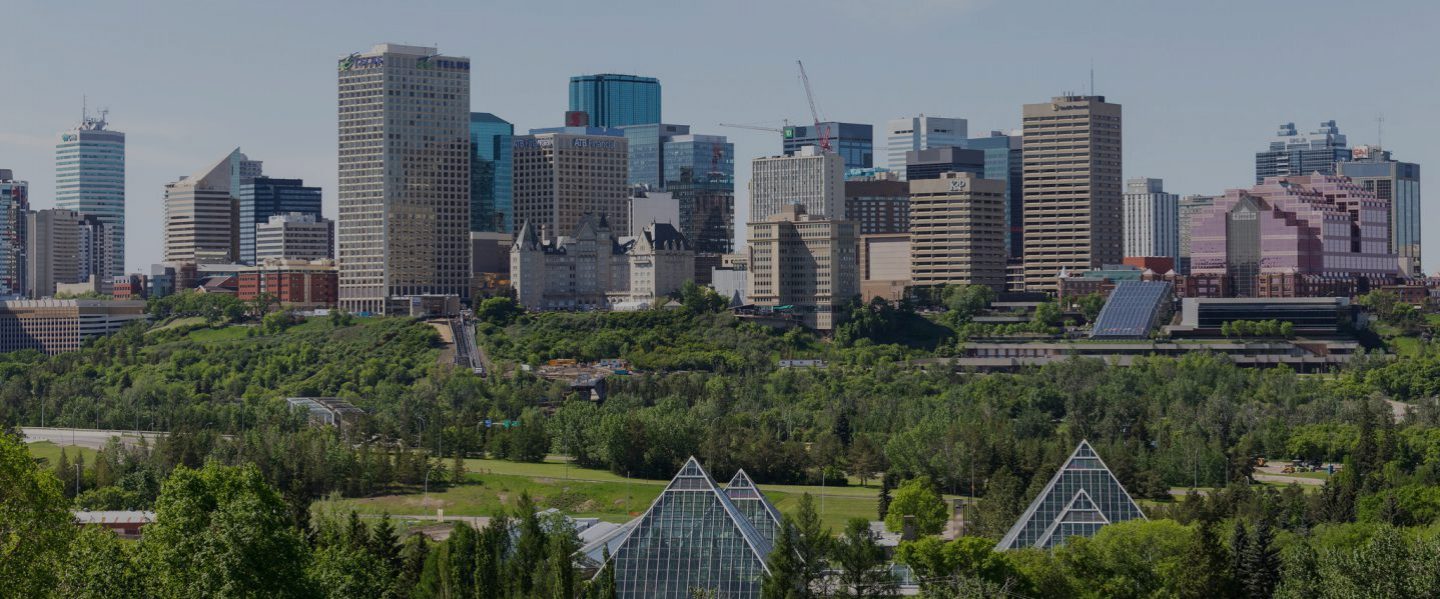

Roughly 18 months ago, Taproot started work on a project to examine the complexity of Edmonton’s housing ecosystem. The idea was to speak to multiple people within the system to identify some of the entanglements we can feel within it. Consider someone realizing their beneficial location on housing comes partly at the expense of others, or someone living with those negative consequences, or someone living without stable housing at all.
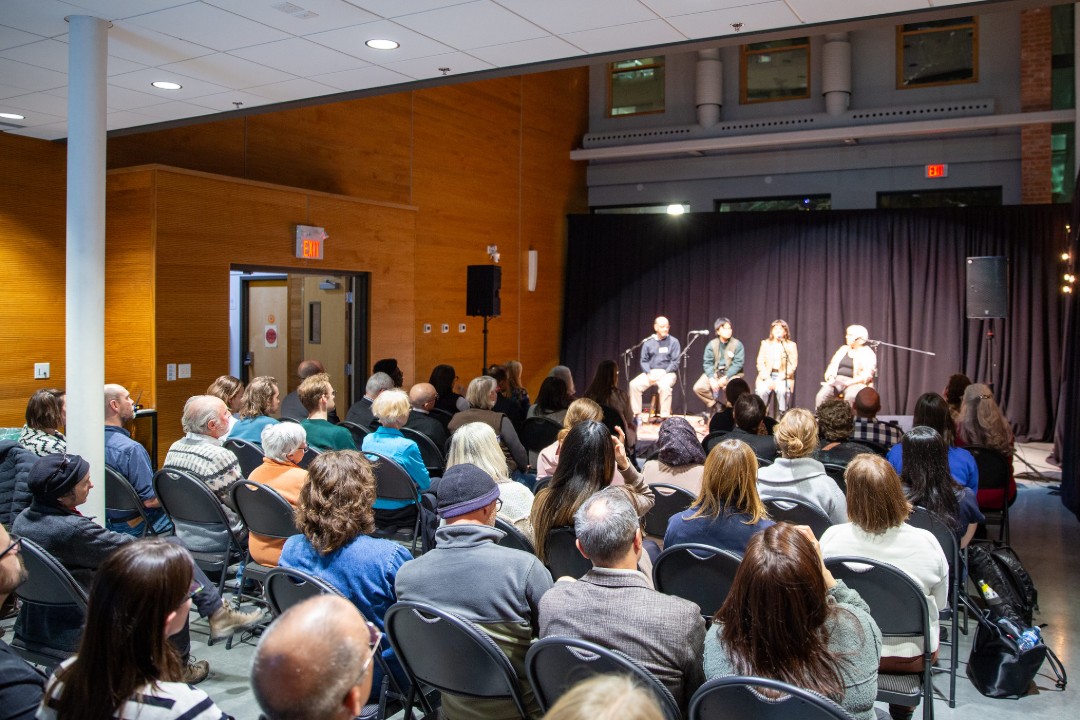
On Nov. 27, Taproot brought the resulting Housing Complex project to the public by hosting an event that was part panel discussion, part question-gathering, and part mind-mapping exercise. While we discussed our editorial series, we also turned the mic (or in this case, markers) over to participants. We asked the more than 70 people in the room what questions people hope city council candidates can address on housing during the coming 2025 election campaign, what people are curious about, and where they locate themselves within the broader housing ecosystem.
Here’s some of the input we collected during the event:
What do municipal candidates need to know about housing in Edmonton?
Attendees had plenty of questions and exhortations for the candidates who will be seeking office in the municipal election in October 2025.
-
“How can we incentivize builders to build more affordable housing?”
-
“How can we create a housing culture that’s unique to Edmonton, that is also ‘positive’ — and doesn’t leave people behind?”
-
“Work with (other) governments to reduce regulatory and attitude barriers!”
-
“Why has so much money been invested in shelters when we know they don’t house people?”
-
“How do we continue removing barriers for hard-to-house people and build more wraparound support directly into our communities?”
-
“Why subsidize suburban ‘infill’ with poor transit and terrible connectivity?”
What are you curious about on housing?
Taproot is built on the value of curiosity, and we bring this to every event we hold. Event attendees had plenty to offer.
One person asked for more stories on how people who have avoided homelessness have done so, and how someone who has transitioned into housing did so.
Others told us they are keen to know more about “innovative partnerships” to develop and operate affordable housing.
Still others identified the often fractured relationships between governments and asked how this might change. “How can the municipal, provincial, and federal governments work better together to provide affordable housing,” one wrote.
Another captured what many feel but struggle to say: “How have things seemingly changed so much in the past decade?”
Where are you in the housing ecosystem?
Taproot lastly asked people to locate themselves within the city’s housing ecosystem, how they felt about that position, and anything that made it complex. We put their written answers up on the wall as a bit of a mind map.
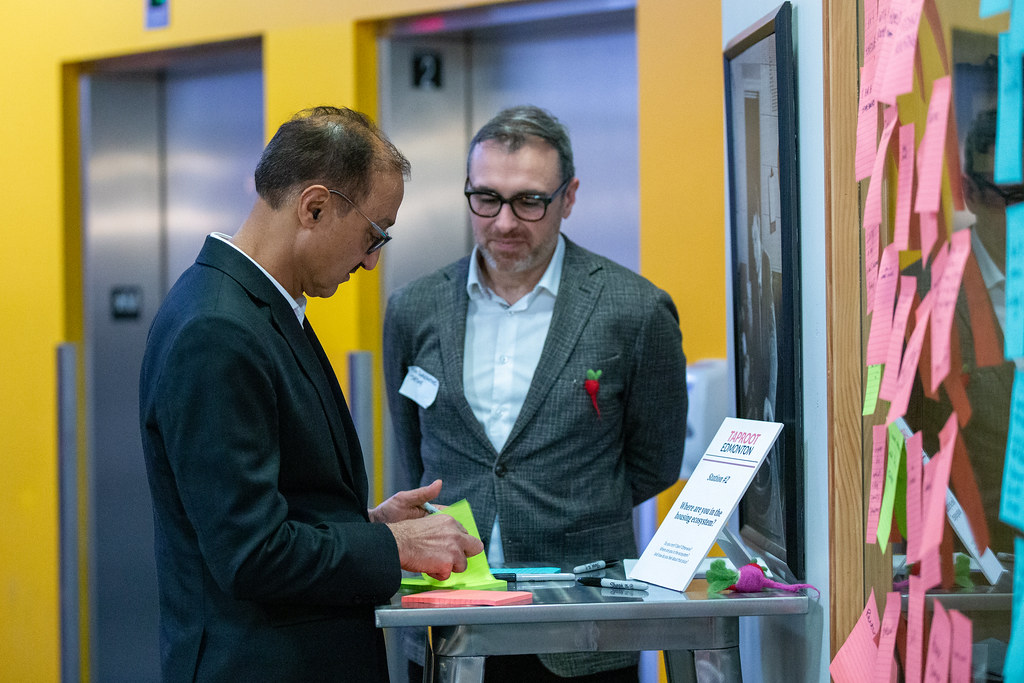
Many told us they own their homes, though a sizeable chunk told us they rent, and still others said they had complex arrangements that don’t easily fit in these categorizations.
How people felt about their position in the ecosystem ranged from “Love it!” and “Lucky!” to “Relief” and “Difficult to picture the future.”
One person wrote they feel “guilty” about how much space, or affluence, or comfort they have.
“I feel isolated,” another wrote.
“I feel under cost pressure and mortgage rate pressure,” yet another wrote.
Another wrote they are stuck with a condo they can’t sell and are forced to be a landlord.
“Hard to balance feeling guilty, grateful, and stressed,” another person summarized. “All of the above.”
When offered a chance to explain what made their housing situation complex, more interesting details emerged:
-
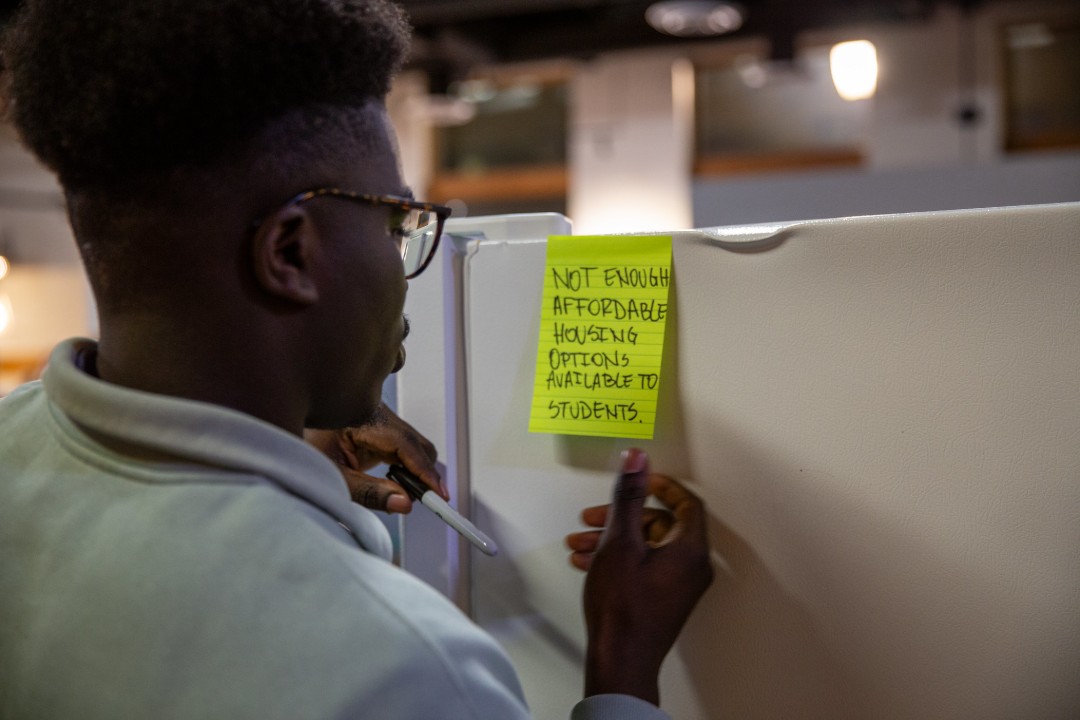
“Not enough affordable housing options available for students.”
-
“The house has multiple owners and figuring out who pays for what can be complex.”
-
“I want to buy a home close to the core but increasingly feel I’ll never be able to afford to get into home ownership.”
-
“My property value skyrocketed recently and while that’s great for me I know it will cause issues for others.”
-
“Things are expensive.”
-
“Landlord relationships are crucial.”
-
“My home is not accessible and I can’t have my grandparents over.”
-
“We have so much room but are not close to transit.”
-
“Why is CMHC subsidizing suburban housing?”
Conclusion
The input Taproot received at the event will help inform the questions we ask candidates in the lead-up to the 2025 election and could lead to future stories as well.
Election day is Oct. 20, 2025. During the last municipal election, in 2021, Taproot created the People’s Agenda, which used extensive surveys to find out what Edmonton residents cared about and how candidates aligned with those goals. Taproot also offered plenty of news you could use in 2021, from where to vote to where to watch results roll in.
Our election coverage may differ slightly in 2025, but Taproot will work to equip our city with facts, context, ways to engage, and news people can use.
For more from the Taproot team on what Edmonton’s city council can and can’t do about housing, and what that will mean for the coming campaign, listen to Episode 289 of Speaking Municipally.


